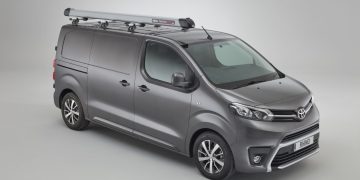
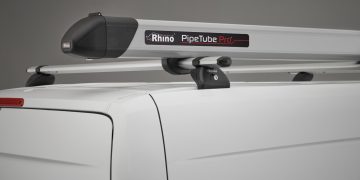
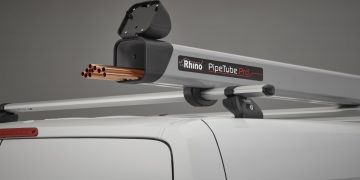




Van pipe carriers — also known as pipe tubes or conduit carriers — are roof-mounted aluminium tubes designed to transport pipes and long materials safely on commercial vans. They come in two distinct variants: unlined and lined. The difference matters more than most buyers initially realise, and choosing the wrong type can mean damaged stock, surface marks on plastic pipes, or simply paying more than you need to. This guide explains exactly what sets them apart and which is right for your work.
Quick Comparison
| Unlined (RP31B) | Lined (RP32B) | |
|---|---|---|
| Internal lining | None | PVC lining |
| Capacity (15mm tubes) | 66 | 59 |
| Weight | 12.74kg | 17kg |
| Best for | Copper tube | Plastic pipe, high-value materials |
| Surface protection | Minimal | Full internal barrier |
| Price | Lower | Higher |
Unlined Van Pipe Carriers


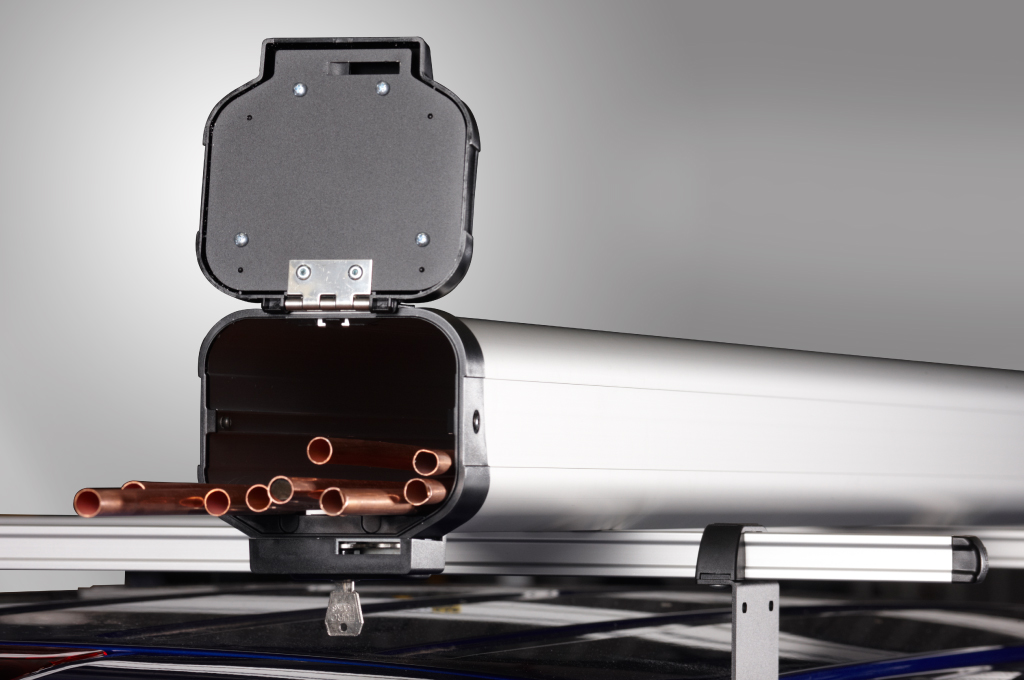
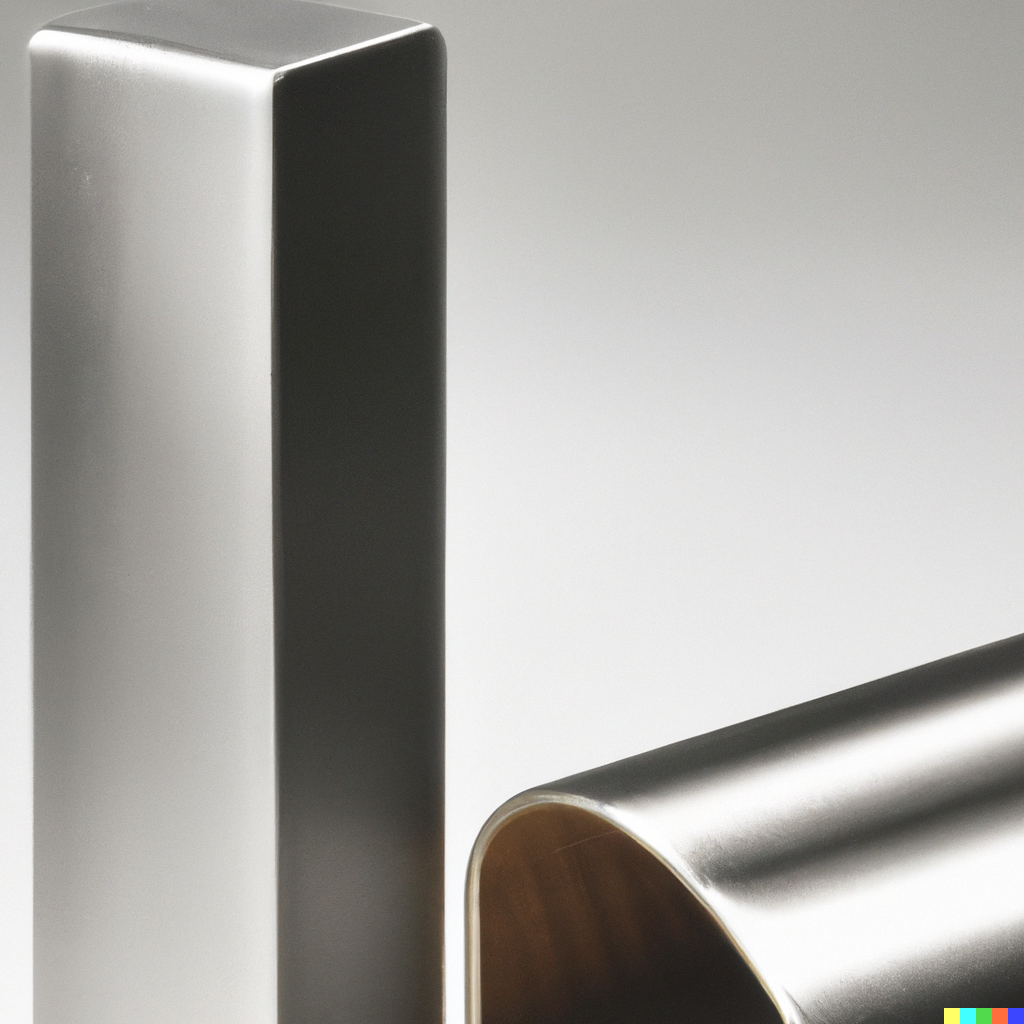
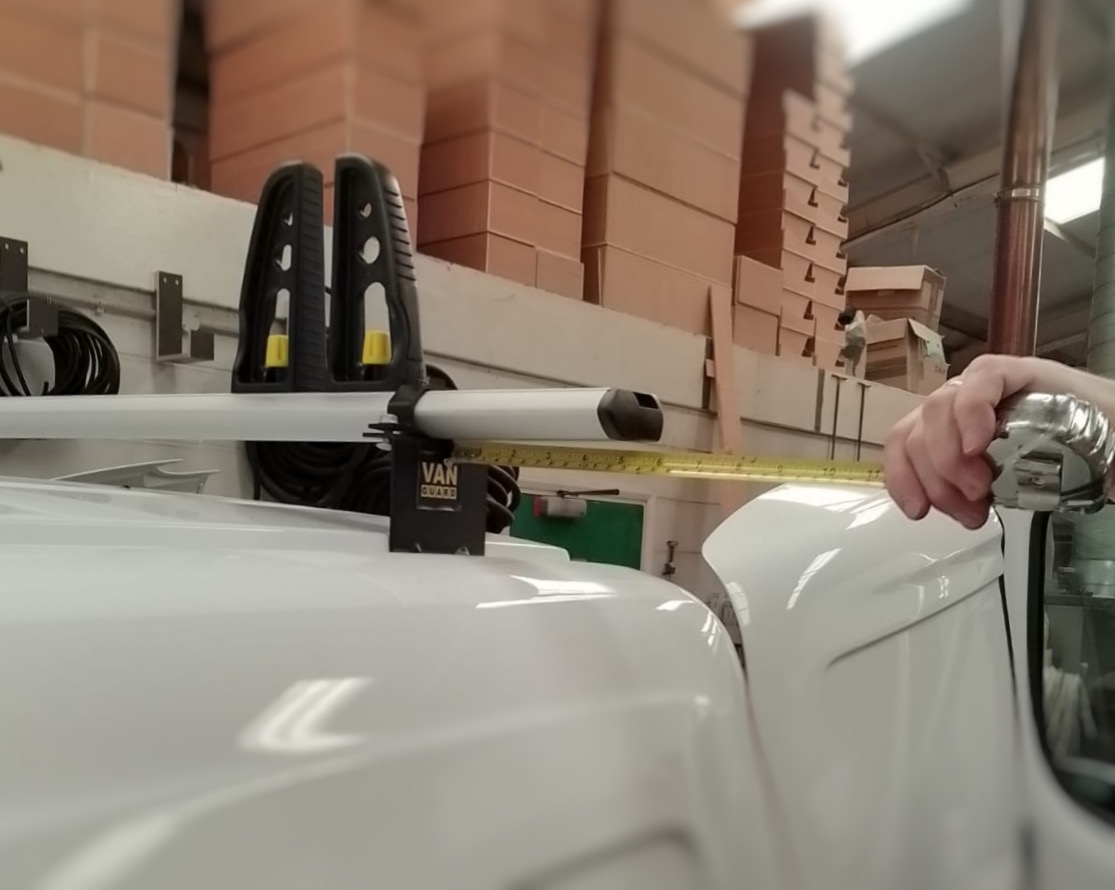
Unlined carriers are constructed from aluminium with no internal lining — just open space from end to end. The Rhino RP31B is built from 6063A T6 aluminium with 30% glass-filled nylon nose cones, weighing 12.74kg and holding up to 66 × 15mm tubes. Both nose cones lock independently, and a hidden rubber O-ring seal in each bulkhead keeps water out when closed.
- Higher capacity: Without an internal lining taking up space, unlined carriers hold more pipes — 66 × 15mm tubes vs 59 in the lined equivalent. Over a working week, that can mean fewer trips to the merchant.
- Lower weight: At 12.74kg vs 17kg for the lined version, the unlined carrier puts less load on your roof rack and marginally improves fuel economy over time.
- Lower cost: Unlined carriers are typically less expensive to buy, making them the practical choice when surface protection isn’t a requirement.
- Minimal surface protection: Pipes sit directly against the aluminium interior. Copper tube handles this without issue, but softer or more valuable materials may pick up light contact marks during transit.
Best for: Plumbers and heating engineers who primarily carry copper tube. Copper is robust enough that minor contact marks from the carrier interior don’t affect its use, and the extra capacity and lower weight make the unlined version the better day-to-day choice.
View the Rhino RP31B Unlined →
Lined Van Pipe Carriers
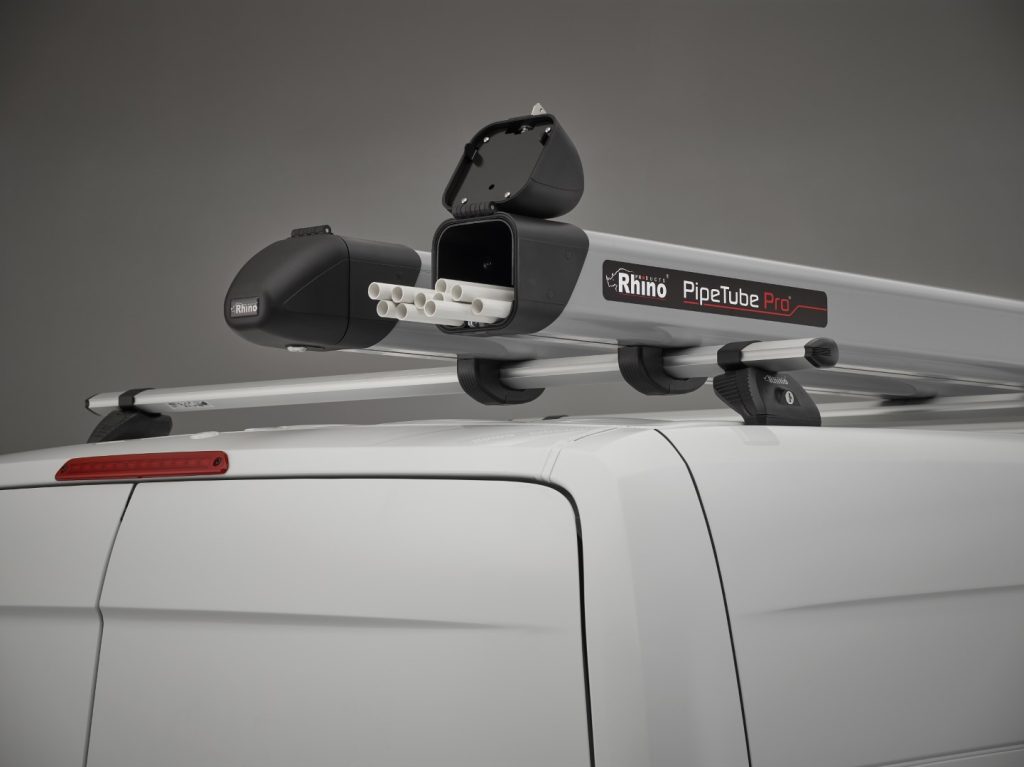
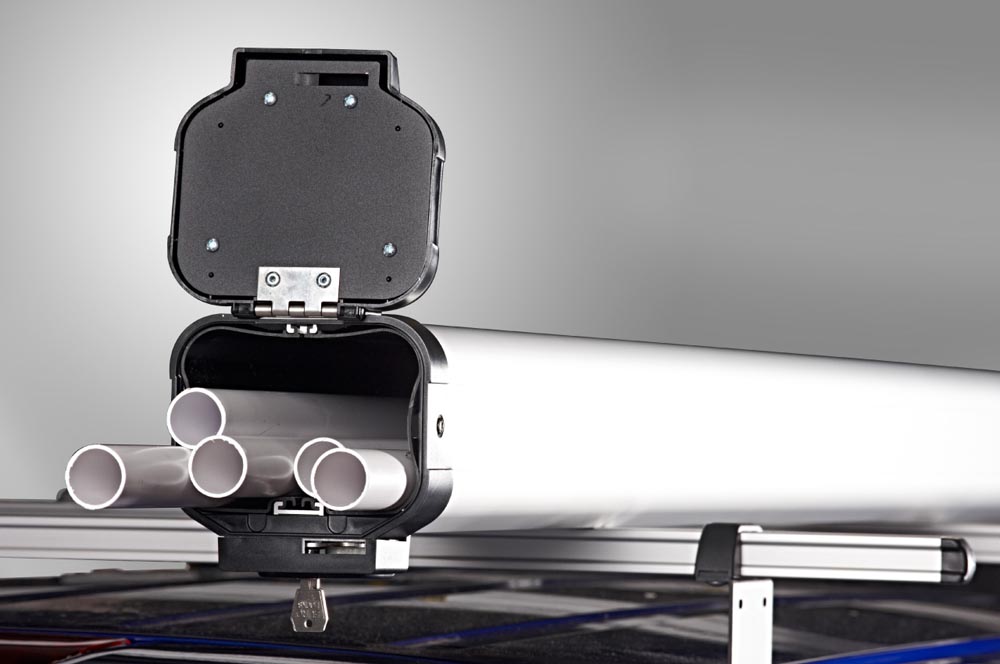
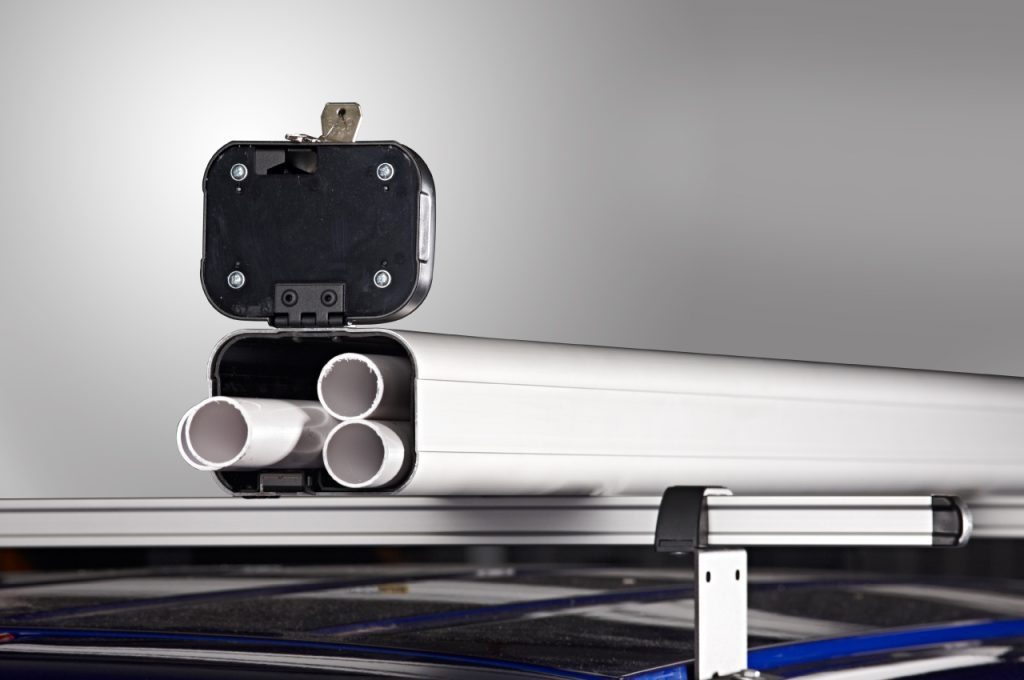
Lined carriers feature an internal PVC lining that creates a protective barrier between your pipes and the aluminium shell. The Rhino RP32B shares the same 6063A T6 aluminium body, locking nose cones, and O-ring weather seals as the RP31B, with the addition of a full internal lining. It weighs 17kg and holds 59 × 15mm tubes.
- Full surface protection: The PVC lining cushions pipes against contact with the carrier interior, preventing marks, scratches, or abrasion during transit — critical for plastic push-fit, chrome, or any pipe where appearance matters.
- Enhanced moisture barrier: The lining adds an additional layer between pipe contents and any condensation or water ingress, offering extra protection for long-distance or long-duration storage.
- Slightly lower capacity: The lining reduces internal volume, meaning 59 × 15mm tubes rather than 66. For most jobs this isn’t a practical issue, but it’s worth being aware of on larger installs.
- Heavier and higher cost: At 17kg the lined version is 4.26kg heavier than the unlined, and it carries a higher price tag to reflect the additional materials.
Best for: Tradespeople carrying plastic push-fit pipe, barrier pipe, chrome fittings, or any other material where surface condition matters. Also the better choice for coastal or high-humidity environments, or when pipes will be stored in the carrier for extended periods between jobs.
Which Should You Choose?
The right choice comes down to what you’re carrying and how much you value capacity versus surface protection:
- Mainly copper tube? Go unlined. The RP31B gives you more capacity, less weight, and a lower price — and copper is resilient enough not to care about contact with the carrier interior.
- Plastic pipe, push-fit, or chrome? Go lined. The RP32B’s PVC lining prevents surface marks and keeps materials in better condition between merchant and site.
- Mixed use or unsure? The lined RP32B is the safer all-round choice — the capacity difference is modest, and you’ll never regret having the extra protection.
Both the RP31B and RP32B share the same core specifications: 6063A T6 aluminium body, 30% glass-filled nylon nose cones with integral locks, hidden rubber O-ring weather seals, 50kg maximum load rating, crash-tested bulkheads with full professional safety accreditation, and a one-person 15-minute installation compatible with Rhino roof racks, bars, and most other systems.