



Why material choice matters for roof racks
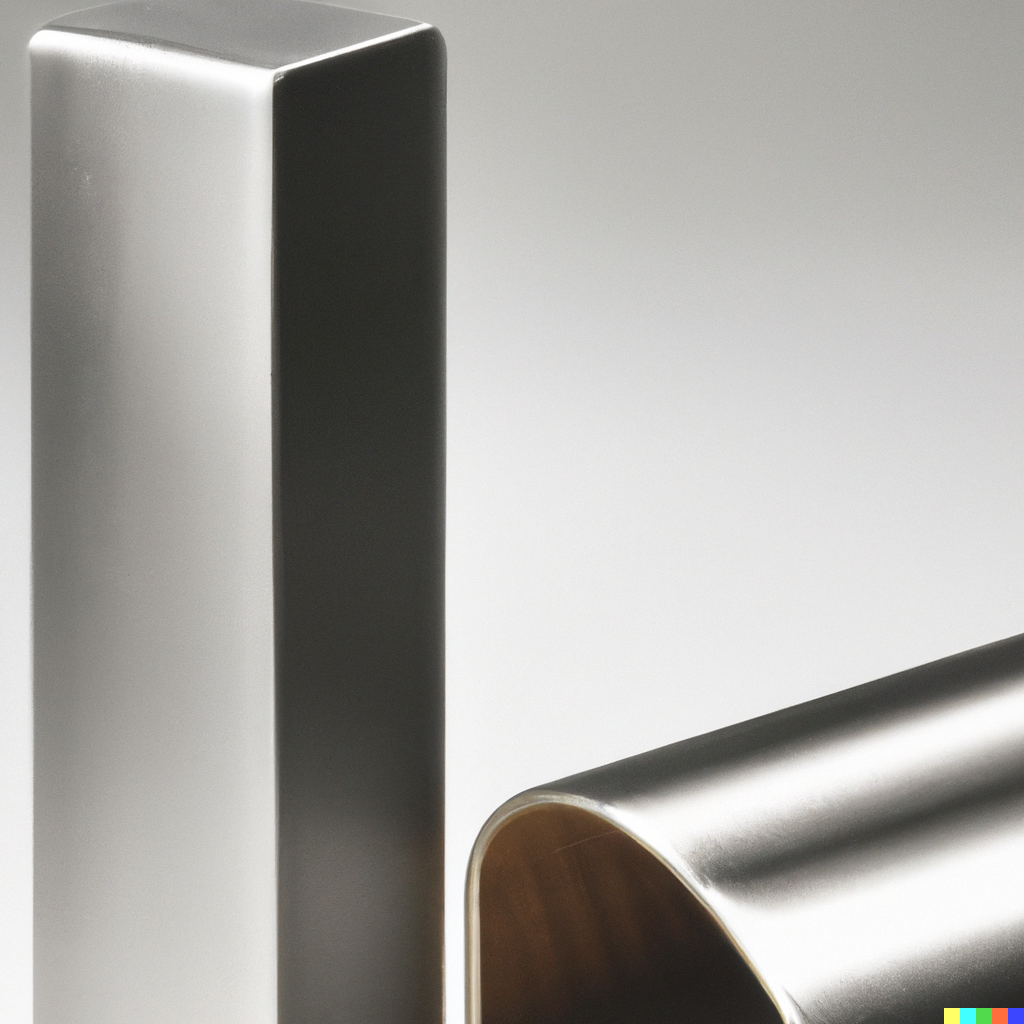
When choosing roof racks and commercial vehicle accessories, the material you pick affects payload, fuel economy, corrosion resistance, noise, and long‑term durability. Aluminium keeps weight down and improves payload and fuel efficiency, while steel offers higher raw strength and stiffness for heavy‑duty trade use. Understanding these differences helps you choose the right rack for your van and the work you do.
Quick comparison
| Attribute | Steel | Aluminium |
|---|---|---|
| Density | ~7.85 g/cm³ | ~2.70 g/cm³ |
| Strength | High tensile strength; ideal for heavy structural loads | Lower raw strength; can be alloyed and work hardened |
| Corrosion resistance | Needs coating or galvanising; stainless options available | Natural oxide layer; excellent in coastal and wet environments |
| Weight impact | Heavier; reduces payload and may increase fuel use | Lightweight; increases payload and improves fuel economy |
| Typical roof rack uses | Heavy‑duty ladder racks, load‑bearing frames, trade use | Lightweight crossbars, modular racks, corrosion‑prone environments |
Roof rack specific considerations
Load ratings and safety
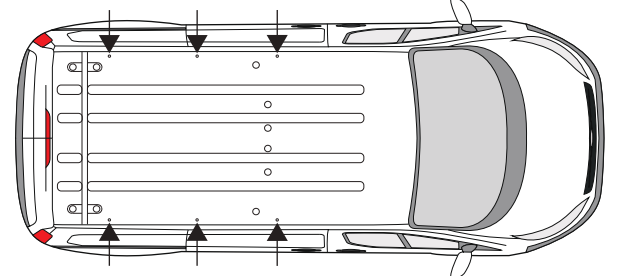
Always check both the vehicle roof’s dynamic and static load ratings and the rack’s published limits. Material alone doesn’t determine safe load — design, mounting points and installation quality matter just as much. Steel frames often resist bending better under concentrated loads, while aluminium systems may require larger sections to match stiffness.
Wind noise and aerodynamics
Aluminium crossbars and low‑profile designs typically generate less wind noise and drag. If you spend a lot of time at motorway speeds, aerodynamic profiles and end caps can noticeably reduce noise and fuel penalty.
Corrosion protection and finish
Powder coating, galvanising and anodising extend service life. Aluminium benefits from anodising; steel benefits from galvanising or high‑quality powder coating. Pay attention to fastener materials and drainage paths to avoid trapped moisture that accelerates corrosion.
Installation and maintenance
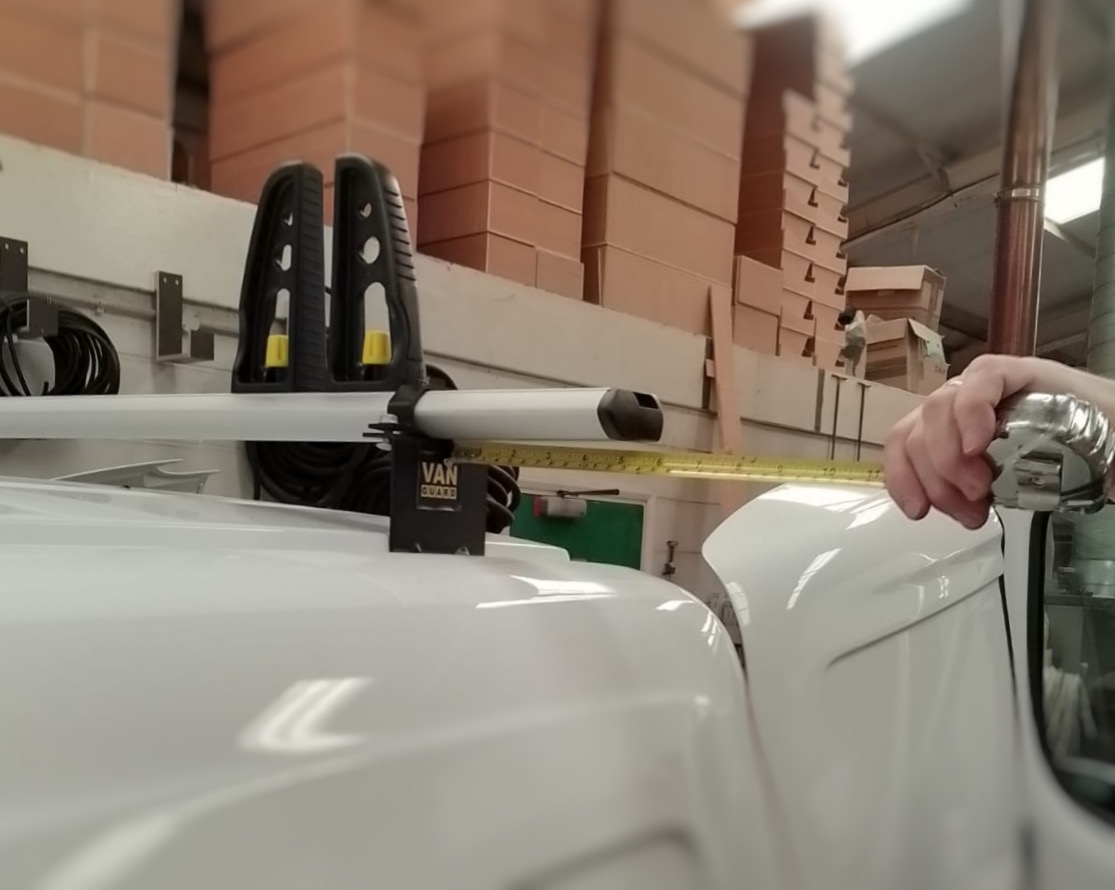
Steel is often easier to repair in the field, while aluminium welding requires specialist techniques. Inspect fasteners regularly, torque to the manufacturer’s specification, and re‑check after the first 50 miles and after carrying heavy loads.
Which material should you choose
- Choose steel for maximum strength, compact structural sections and the lowest material cost for heavy‑duty, trade‑focused racks.
- Choose aluminium when weight savings, corrosion resistance and ease of handling are priorities — ideal for lightweight roof racks, ladder carriers and coastal use.
- Consider hybrid systems that combine a steel subframe with aluminium crossbars to balance strength and weight.
How we apply this at vanroofrack.co.uk
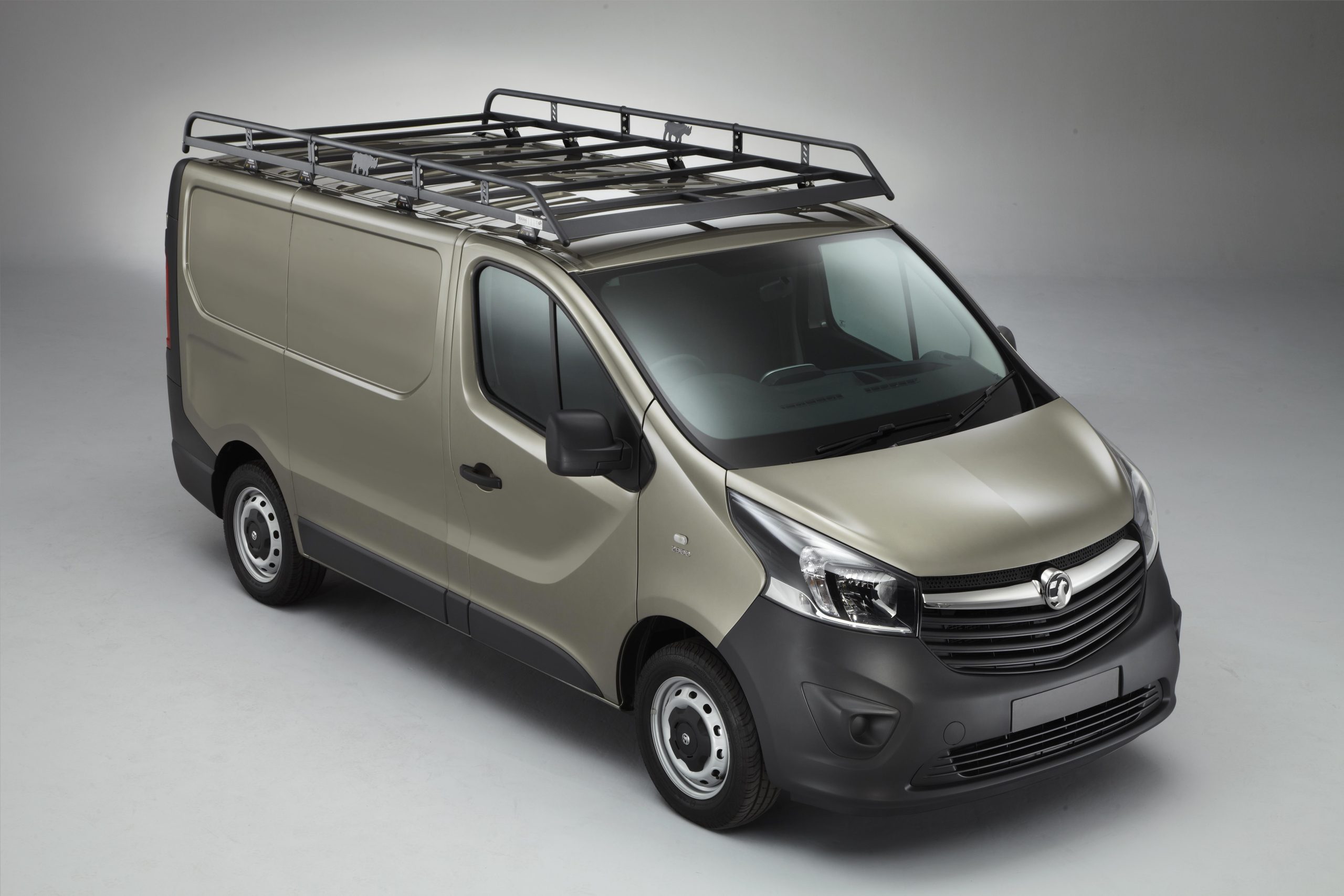
At vanroofrack.co.uk we stock both steel and aluminium roof rack systems and recommend products based on real‑world trade use and longevity. For heavy daily trade work we’ll suggest robust steel options with protective coatings. For maximum payload and corrosion resistance we’ll point you to lightweight aluminium systems.
Browse our full range and compare fitment, load ratings and finishes at vanroofrack.co.uk. If you’re unsure which material suits your van and workload, our team can help you choose the right setup.
Practical buying checklist
- Confirm your vehicle roof load rating and the rack’s dynamic/static ratings.
- Check finish and fastener materials for corrosion resistance.
- Ask for torque specs and installation guidance; re‑check after 50 miles.
- Consider total cost of ownership: initial price, fuel impact and maintenance.